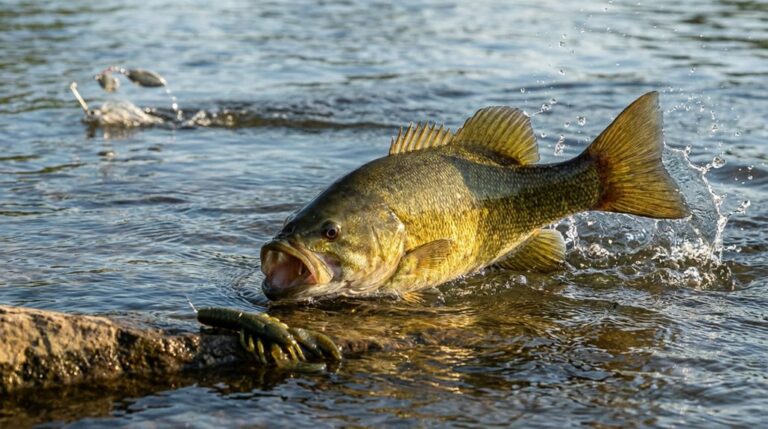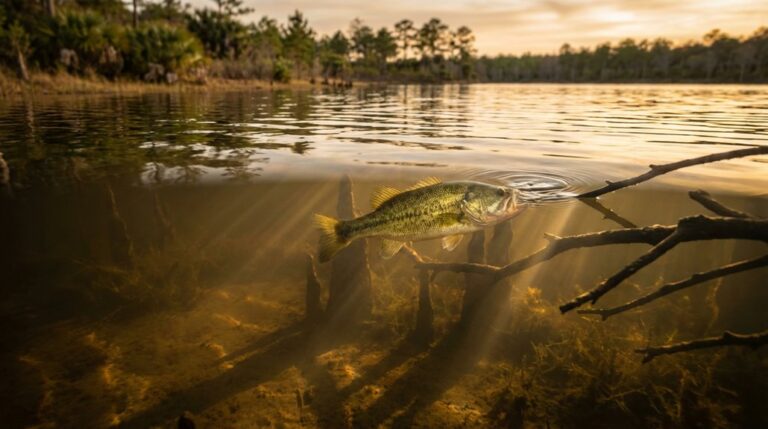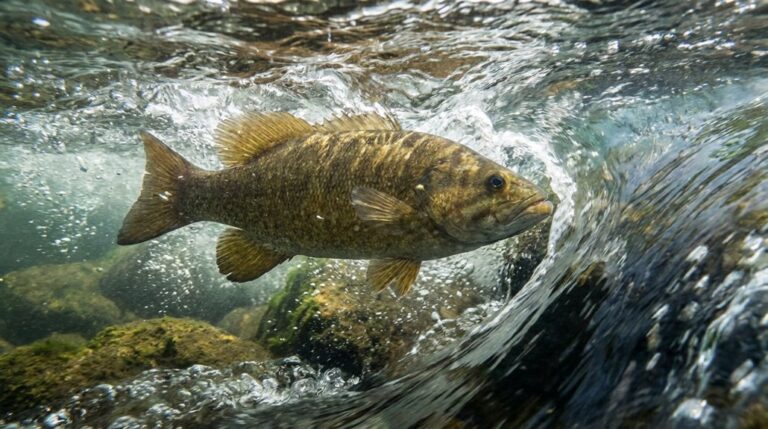

Pick tube sizes to match mood and depth: 2.75–3″ for cold or finicky smallmouth, 3–3.5″ for most days, 3.5–4″ for warm water or aggressive fish. Use 1/8–1/4 oz heads shallow to mid-depth, 3/8 oz+ for deeper or current, making sure the head fits snug for a natural fall and clean bottom contact. Stick with green pumpkin variants and add scent inside and out so your tube truly hunts like real prey—and that’s just the start.
Great Lakes Structure Overview
Structure is everything when you’re chasing Great Lakes smallmouth with tube baits, because these fish use vast underwater features as highways and feeding spots. You’re not just casting randomly; you’re targeting rock spines, scattered boulders, sand transition, and current seams that concentrate bait. On big water, even subtle rises, breaks, or inside turns can load up with fish.
You’ll fish many of these spots in 10–15 feet, so you want a setup that lets your tube stay in contact with the bottom while still looking natural. That’s where pairing a 2.75-inch tube with a compatible head matters. When you understand how smallmouth position along expansive ridges, humps, and breaks, you can line up your casts to crawl tubes right through strike zones. Additionally, consider that early morning and late evening are peak feeding times for bass, which can enhance your fishing success.
Detailed Features
A dialed-in tube setup starts with matching size, head, and color to the conditions you’re fishing. You’re mainly choosing between 3-, 3.5-, and 4-inch tubes, then pairing them with 1/8, 1/4, or 3/8 oz jig heads to control fall rate and bottom contact. Light 1/8 oz heads shine in shallow, calm water; 1/4 oz covers most mid-depth situations; 3/8 oz excels in deeper water or heavy current.
Head style and fit matter. Great Lakes finesse mini tube heads (size 1) slide perfectly into smaller tubes, keeping the profile compact. Strike King heads better match bigger tubes and give you more weight options. For color, lean on green pumpkin bases with purple or silver flake to stay versatile across changing light and clarity. Additionally, understanding local fishing techniques can enhance your effectiveness on the water.
Tube Size and Wall Thickness
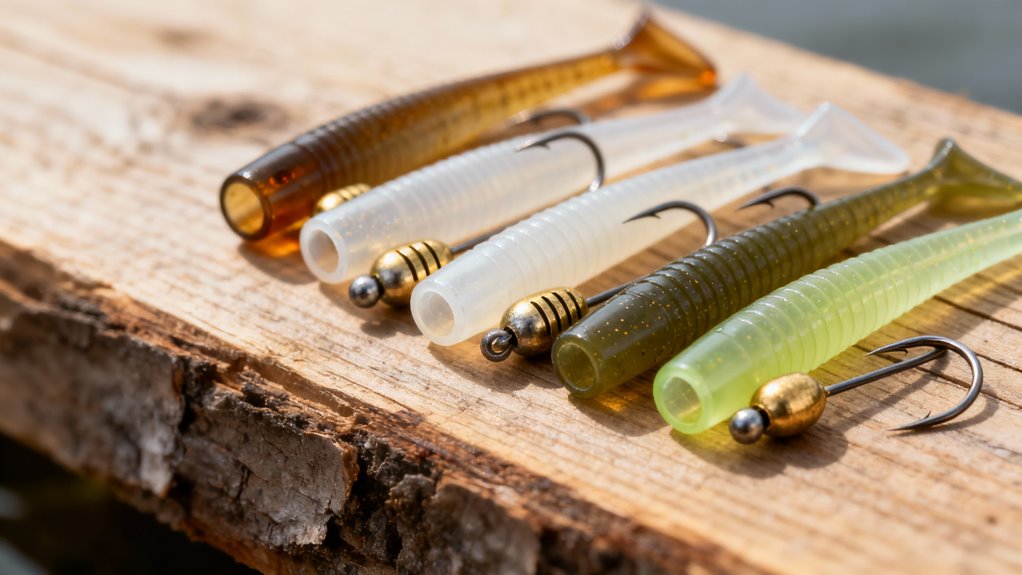
Most productive tube setups start with matching size and wall thickness to water temperature, depth, and how picky the smallmouth are. In cold water or around finicky fish, you’ll do better with 2.75–3.0 inch tubes and thinner walls, paired with lighter heads. They glide more naturally and don’t overwhelm neutral bass.
In warmer water or when fish chase aggressively, bump up to 3.5–4 inch tubes with thicker walls and heavier jig heads (1/4–3/8 oz+) to keep bottom contact in deeper water. Understanding local regulations regarding size limits and bait types can also affect your fishing success.
| Situation | Tube Size | Wall / Head Choice |
|---|---|---|
| Cold, clear, finicky | 2.75–3.0″ | Thin wall, light head |
| Moderate, mixed mood | 3.0–3.5″ | Medium wall, 1/4 oz |
| Warm, aggressive | 3.5–4.0″ | Thicker wall, 1/4–3/8 oz |
| Deep structure | 3.5–4.0″ | Thick wall, 3/8 oz+ |
| Testing new water | Mixed 2.75–4.0″ | Assorted walls and head sizes |
Pros and Cons
When you rig tubes for smallmouth, you gain several key advantages but also introduce a few real drawbacks. You’ll see how their bottom-hugging profile, sensitivity, and scent options boost your bite chances, yet rigging quirks and snag issues can cost you time and fish. Let’s break down the core pros and cons so you can decide when tubes should be your primary option and when they’re better as a backup. Additionally, considering optimal fishing conditions can enhance your success with tube baits, especially during prime feeding times.
Pros
Few bass lures check as many boxes for smallmouth anglers as a well-rigged tube bait. Tubes naturally imitate bottom-dwelling craws and small minnows, so when you drag or hop them across rock, they match what smallmouth actually eat. That realism makes every cast more efficient.
1. Natural forage profile
You keep tight bottom contact, mimicking craws fleeing or minnows darting, which triggers reaction bites around rock, gravel, and current seams.
2. Customizable weighting and size
By swapping inserts from 1/8–3/8 oz (up to 3/4 oz in rough water) and using 2.75–4″ tubes, you dial in depth, fall rate, and profile.
3. Enhanced feel and scent
Scent packed inside the cavity plus a vertical presentation and tight line help you feel light pickups and stick more finicky fish. Additionally, using essential gear for baitcasting can enhance your overall fishing experience and effectiveness with tube baits.
Cons
Tube baits check a lot of boxes for smallmouth, but they also bring a few headaches you need to manage. You’re fishing right in the rocks and grass, so tubes snag easily if you don’t control angle and weight. Bigger sizes can also kill finesse when the bite’s tough, even though they shine in warm water.
Here’s where tubes can work against you:
- Rigging complexity – Matching tube heads to body size, keeping the line tie oriented correctly, and inserting the jig cleanly all take practice.
- Snag and hookup issues – Poor vertical presentation or the wrong weight reduces bottom contact and costs you fish.
- Material and scent demands – Cheap plastic, weak scent, or stiff tails reduce glide, flare, and your overall bite count. Additionally, healthy sea-grass meadows are vital in maintaining fish populations, which can be affected by poor rigging and presentation.
FAQ’s
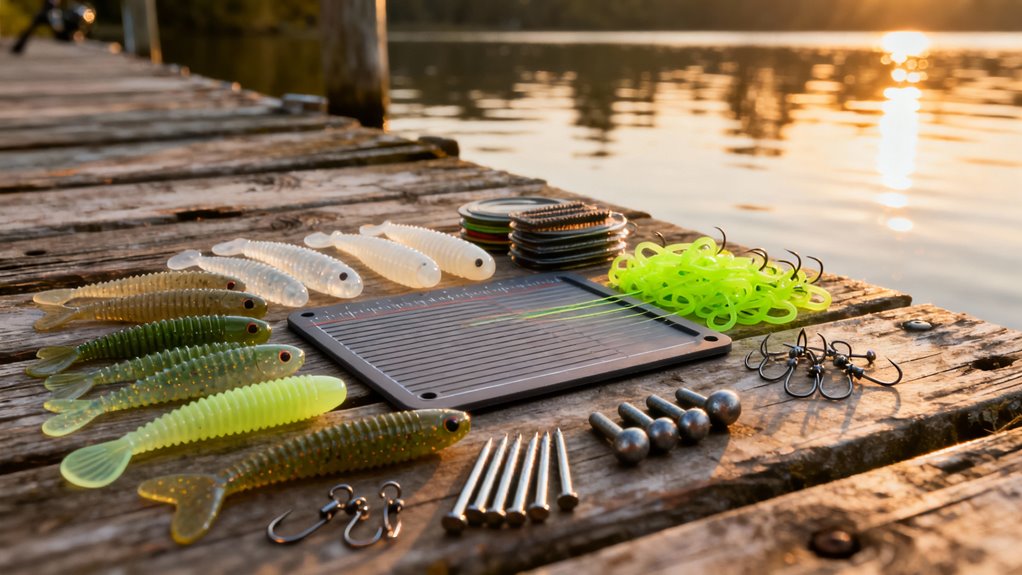
Although dialing in tube baits can feel complicated at first, most smallmouth questions boil down to a few core issues: what size tube to throw, how heavy the head should be for your depth, which colors to trust in changing conditions, how different jig heads fit various tube sizes, and how to use scent effectively.
In 65°F water, you’ll usually throw a 3.5-inch tube; bump to 4 inches for bigger bites, and drop to 2.75 for finesse. For weight, think 1/8 oz in 0–10 ft, 1/4 oz in 10–20, and 3/8 oz deeper, adjusting to keep bottom contact without constant snagging.
Rely on green pumpkin variants, and boost scent by filling the cavity or adding a sponge. Additionally, incorporating topwater lures can enhance your fishing strategy by attracting smallmouth in various conditions.
Final Verdict
With the main questions answered, it’s time to boil everything down into a simple tube game plan for smallmouth. Start with green pumpkin as your everyday color, then layer in purple or silver flake when you need extra flash or visibility. Match brightness to the bottom: darker greens/browns for craw- and minnow-filled rocks, lighter greens in clean, shallow water.
For 10–15 feet, run 3.5″ tubes on Great Lakes finesse mini tube heads. For 12–30 feet, stay with 3.0–3.5″ tubes and pick heads that keep a snug fit and natural fall. Upsize to 3.5–4″ when water’s warmer or you’re trophy hunting; drop to 2.75–3.5″ when they’re finicky. Load scent inside the cavity, coat the outside, and use sponge storage for staying power. Remember to keep your hooks sharp to ensure better catch rates and improve your overall success on the water.
Frequently Asked Questions
What Color Tube for Smallmouth?
You should throw green pumpkin as your main tube color. Add purple or silver flakes on tough days. Use darker green/brown schemes to mimic craws, with 3.5″ tubes for bigger profiles and 2.75″ for finesse.
What Is the 80 20 Rule in Bass Fishing?
The 80/20 rule in bass fishing says you’ll catch about 80% of your fish on 20% of your baits. You focus on your proven lures, spots, and presentations, then keep refining what actually produces bites.
How to Rig a Tube Jig for Smallmouth Bass?
You rig a tube jig by inserting a matched-weight jig head into the cavity, pushing until it bulges, pulling the eye through, ensuring the hook points up, then adding crawfish scent inside so you can refill it.
What Is the 90/10 Rule for Bass Fishing?
The 90/10 rule means you’ll catch about 90% of your bass from 10% of the water. You quickly test areas, then focus on the few productive spots, baits, and presentations that consistently produce bites.
Final Thoughts
You’ve got everything you need to fish tubes with confidence now. Match your color to water clarity, fine‑tune weight to depth and current, and let structure dictate how you rig. Don’t overthink it—start simple, then adjust wall thickness, size, and rigging as the fish tell you. When you commit to learning these details, you’ll turn more bites into landed smallmouth and quickly see why tubes stay in every serious Great Lakes angler’s box.