

Build an inshore saltwater setup around the fish, the cover, and the depth where it feeds. Inshore Saltwater Tackle: Build a Setup Around Your Target starts with those choices, then matches the rod, reel, line, leader, and presentation to the conditions.
Free Printable Field Reference & Checklist (PDF)
Save or print our one-stop reference sheet for this guide: Inshore Saltwater Species Tackle Specification Matrix (Reel Size, Drag lbs, Braid, Leader, and Lure Weight). Includes the full specification comparison matrix and step-by-step field checklist.
Key Takeaways
| Question | Quick answer |
|---|---|
| What is a good setup for saltwater shore fishing? | Start with a 7 foot medium light or medium spinning rod, a 2500 or 3000 reel, and line suited to the cover. |
| How do you rig for inshore saltwater fishing? | Use an exposed jighead over clean bottom, a weighted weedless hook in grass, or a cork or bottom rig to reach a different feeding depth. |
| How should you balance rod, reel, and line? | Match the reel and line to the rod’s ratings, then keep the combined weight of your lure and terminal tackle within its casting range. |
| What should you carry in a basic tackle box? | Pack a few jighead and hook sizes, soft plastics, corks, sinkers, leader material, pliers, and a line cutter. |
| How do you choose live bait or artificial lures? | Use live bait when natural movement and scent help, and artificial lures when you want to cover water and find active fish. |
| Where can you find more fishing guidance? | Browse The Reel Authority fishing guide library for more practical tackle and fishing articles. |
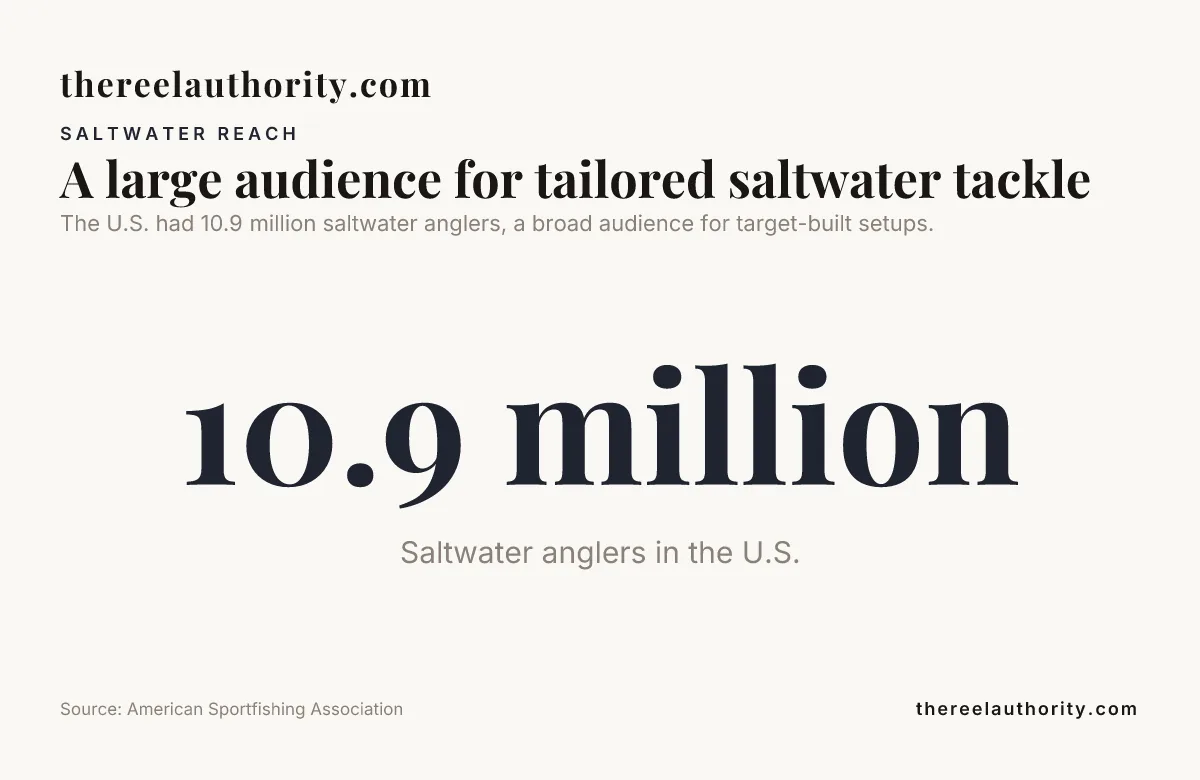
The U.S. had 10.9 million saltwater anglers, a broad audience for target-built setups.
Start with the fish, habitat, and water conditions
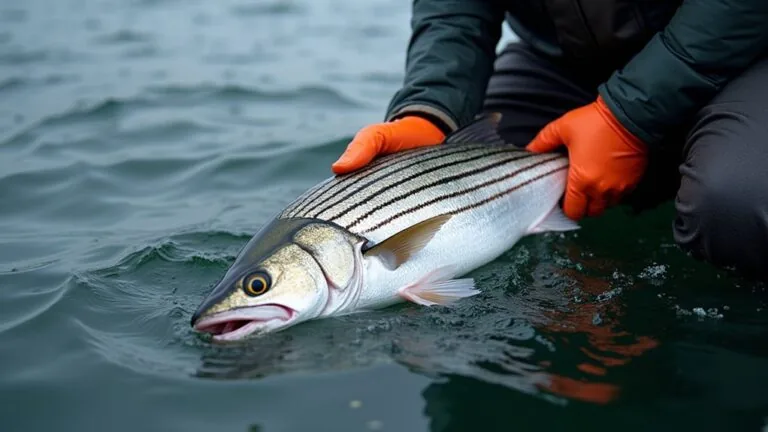
Begin with the likely size of your target fish and the depth where it feeds. Then identify whether it holds over open water, grass, oysters, docks, or bottom, because those details guide rod power, leader strength, hook style, and lure presentation.
For speckled trout or other fish feeding in open water, start with lighter tackle and a suspended or freely swimming presentation. Around oysters, docks, and dense grass, redfish call for stronger abrasion resistance and a hook that can move through cover with fewer snags.
Depth and current work together. Choose the lightest jighead or sinker that reaches the feeding zone and keeps your bait moving along the path you intend, instead of adding weight without considering water movement.
For more saltwater species and bait presentation guidance, visit our saltwater fishing articles. To add location and habitat context to your plan, explore the fishing spots guides.
When you fish unfamiliar water, use available depth and structure information to refine where you cast. Our Garmin Striker Vivid 4cv review offers related fish finder guidance for anglers learning to read underwater features.
Choose a balanced rod and reel
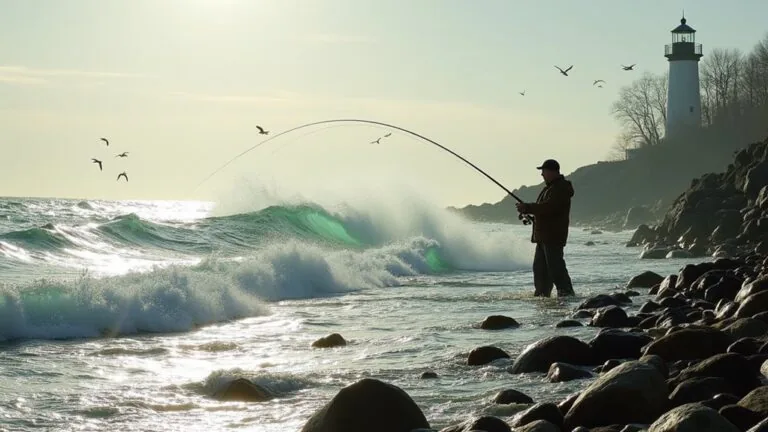
A good all around spinning setup for inshore saltwater fishing is a rod about 7 feet long, with medium light or medium power and a fast action. The length helps you cast from shore, while the fast tip gives you useful sensitivity and control when setting a hook.
Pair that rod with a 2500 or 3000 size spinning reel. Both sizes offer a practical balance of line capacity, casting ease, and fish control for common inshore situations.
| Situation | Rod length and power | Reel size | Typical use |
|---|---|---|---|
| Open flats | 7 feet, medium light, fast action | 2500 | Light lures and a controlled presentation over open water |
| Mixed grass | 7 feet, medium light or medium, fast action | 2500 or 3000 | Adjusting between open lanes and moderate cover |
| Heavier grass or dock cover | 7 feet, medium, fast action | 3000 | More control when steering fish away from structure |
Read the line and lure ratings printed on the rod before tying on. Add the jighead, hook, sinker, and bait or lure together when checking casting weight, because a rig that exceeds the rated range can load poorly and put unnecessary stress on the blank.
Keep the first outfit versatile. Learn how one balanced spinning rod and reel casts, retrieves, and handles fish before adding specialized setups; if you already use a casting reel, our baitcasting combo guide covers that separate equipment style.
Match braid and leader to cover and fish size
Braided line has a small diameter for its strength and little stretch, so it casts well and transmits changes in lure contact clearly. Start with 10 to 20 pound braid in open inshore water, then consider 20 to 30 pound braid when heavier cover calls for more control.
Connect braid to a monofilament or fluorocarbon leader with a compact, well tied knot. A 15 to 25 pound leader is a practical starting range, with stronger leader material helping reduce breakoffs around oysters, docks, and other abrasive structure.
Fluorocarbon suits situations where abrasion resistance and a less visible leader matter. Monofilament stretches more and makes a forgiving connection, but either leader needs regular inspection for scuffs and nicks.
| Fishing area | Braid starting range | Leader starting range | Reason for the match |
|---|---|---|---|
| Open flats | 10 to 20 pounds | 15 to 20 pounds | Light tackle handles open water presentations without excess bulk. |
| Mixed grass | 20 pounds | 15 to 25 pounds | A middle ground for casting while managing occasional snags and vegetation. |
| Oysters, docks, or hard structure | 20 to 30 pounds | 20 to 25 pounds or stronger as conditions require | More abrasion resistance helps protect the connection near rough cover. |
Use the rod’s printed line rating and the weakest connection in the system to set your final choice. Heavier line does not compensate for a weak knot, an underpowered rod, or a poorly matched lure.
Select a rig that presents bait at the right depth
Use an exposed jighead with a paddletail over clean bottom or open water for a simple cast and retrieve. In shallow, calm water, start around 1/8 to 1/4 ounce, then add weight only when depth or current makes it necessary.
For grass and snag prone cover, choose a weighted weedless hook. Bury the point just beneath the soft plastic so it passes through vegetation more cleanly, while leaving the hook positioned to penetrate when a fish strikes.
A popping cork suspends live bait or a soft plastic above grass and adds sound that helps fish locate the presentation. Adjust the leader length so the offering stays above the cover and within the depth where fish are feeding.
Use a Carolina rig to keep bait near bottom while allowing it to move behind a sliding sinker. A fish finder rig provides a straightforward leader and sinker arrangement when you want bait to sit on bottom.
| Rig | Presentation depth | Useful cover | Sensible starting weight or role |
|---|---|---|---|
| Exposed jighead | Near bottom or swimming through open water | Clean bottom and open water | 1/8 to 1/4 ounce in shallow, calm conditions |
| Weighted weedless hook | Through the water column, controlled by retrieve | Grass and snag prone cover | Choose enough weight to cast and reach the feeding depth |
| Popping cork | Suspended at the selected leader depth | Grass edges and open lanes | Set leader length to keep bait above cover |
| Carolina rig | Near bottom, with bait moving behind a sliding sinker | Bottom areas where bait should move naturally | Use a sinker that holds the intended bottom path |
| Fish finder rig | On or close to bottom | Open bottom and bottom feeding areas | Simple leader and sinker arrangement for stationary bait |
Choose lures and bait for feeding conditions
Build a small starter selection around a paddletail, a soft jerkbait, and a suspending or shallow running hard lure. A paddletail swims with a steady profile, a jerkbait darts or slows down, and a hard lure reaches fish feeding higher in the water column.
Live shrimp or baitfish offer natural scent and movement when fish are reluctant to chase. Artificial lures help you cover water and locate active fish, so choose based on whether you need a natural offering or a searching presentation.
In clear, calm water, begin with a subtle profile and controlled retrieve. In stained water, wind, or low light, choose a profile and movement fish can detect, then adjust depth or speed if strikes do not follow.
Vary one factor at a time. Change the weight, retrieve speed, or depth separately so each response helps you identify what fish are following, rather than changing the whole presentation without learning which adjustment mattered.
Pack a compact inshore tackle box
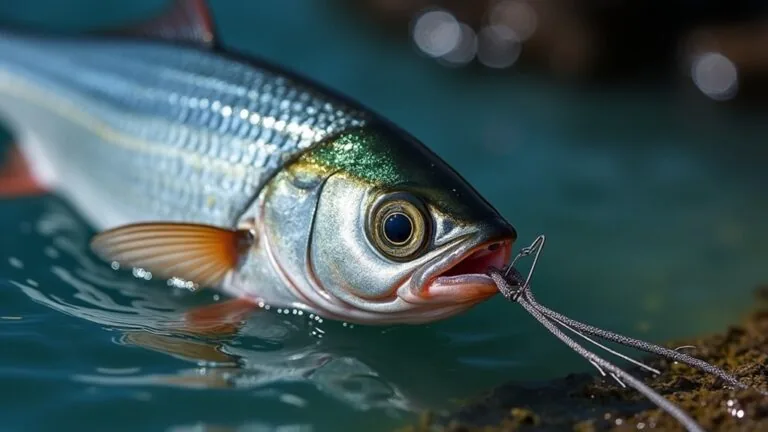
Build your tackle box around a few jighead and weighted weedless hook sizes, a small selection of soft plastics, popping corks, hooks, swivels, and sinkers. Match the sizes to your rod ratings and expected depth instead of carrying every option.
| Item | Practical starting selection | Purpose |
|---|---|---|
| Jigheads | 1/8 and 1/4 ounce | Shallow presentations, with weight choices for changing depth or current |
| Weighted weedless hooks | A few sizes to fit your soft plastics | Working baits through grass and snag prone cover |
| Soft plastics | Paddletails and soft jerkbaits in a few profiles | Swimming, darting, and slower presentations |
| Leader material | 15, 20, and 25 pound strengths | Matching the leader to fish size and cover |
| Popping corks, hooks, swivels, and sinkers | A small selection matched to the planned rigs | Suspending bait, changing terminal tackle, and fishing bottom |
| Pliers, line cutter, and spare leader | One of each, kept accessible | Removing hooks and replacing damaged line or terminal tackle |
Keep spare leader, a line cutter, pliers, and replacement hooks where you can reach them quickly. Store hooks and other metal terminal tackle dry and separated where practical, because salt and trapped moisture speed corrosion.
Use this field checklist, then care for the tackle
Run through this checklist before each trip. A few deliberate checks help prevent avoidable failures once fish are feeding.
- Identify the target and habitat. Note likely fish size, feeding depth, and whether you will fish open water, grass, oysters, docks, or bottom.
- Choose rod power and reel size. Match the rod to the cover and the reel to the line capacity and control you need.
- Verify lure and line ratings. Keep the combined lure and terminal tackle weight within the rod’s printed casting range.
- Spool and connect line and leader. Tie a compact connection and pull it firmly to test the knot before fishing.
- Select the rig and weight. Account for depth and current, then choose the lightest weight that reaches the feeding zone and holds the intended path.
- Inspect hooks and knots. Check points, leaders, and connections for damage before the first cast.
- Set the drag. Start around 20 to 30 percent of the rated strength of the weakest line or connection, then test with a controlled pull. For a 20 pound weakest link, that is about 4 to 6 pounds of drag.
- Adjust to fish response. Change presentation depth, speed, or weight based on where fish respond, one variable at a time.
During a strong run, let the reel give line instead of locking the spool. Keep the rod angle controlled and avoid raising the tip sharply overhead, which can create a high stick and overload the blank.
After fishing, gently rinse salt from the reel, rod guides, and terminal tackle with fresh water, then dry everything before storage. Avoid forcing water into the reel with a high pressure spray.
Before the next trip, inspect rod guides for rough or damaged inserts, check braid and leader for abrasion, and look for corrosion or dull points on hooks. Retie slipping knots and replace damaged components before they fail under pressure.
Make local regulations, protected species, and your release plan part of the rig choice. Handle fish carefully and use tackle strong enough to shorten the fight without overpowering your equipment.
Conclusion
Inshore Saltwater Tackle: Build a Setup Around Your Target works best as a decision path: identify the fish and habitat, balance the rod and reel, match line and leader to cover, then choose a rig that reaches the feeding depth. Start with one versatile outfit, learn how it behaves, and add specialized tackle only when your fishing calls for it.
Frequently Asked Questions
How long should an inshore leader be?
A leader around 18 to 36 inches is a practical starting length for many inshore rigs. A shorter leader keeps the connection compact, while a longer one gives more length between the visible braid and the lure or bait.
Should I connect braid directly to a lure or use a swivel?
A direct leader knot keeps the connection simple for many lure presentations. Use a small swivel when a bait or rig twists during the retrieve, or when you want to change leaders quickly.
When are circle hooks a good choice for inshore live bait?
Circle hooks suit live bait when you want the hook to catch near the corner of a fish’s mouth as the line comes tight. They work best with steady pressure rather than a sharp hook set.
How can I tell when braided line needs to be replaced?
Replace braid when you find deep cuts, repeated fraying, or damaged strands that remain after trimming away the affected section. Faded color by itself does not show that the line has lost its usable strength.
Can I use a freshwater spinning reel for inshore saltwater fishing?
Yes, a freshwater spinning reel can handle an occasional inshore outing when you keep salt exposure low and rinse and dry it afterward. For frequent saltwater use, choose a reel designed with corrosion resistance in mind.
Download the Companion Printable Reference Sheet (PDF)
Save or print our one-stop reference sheet for this guide: Inshore Saltwater Species Tackle Specification Matrix (Reel Size, Drag lbs, Braid, Leader, and Lure Weight). Includes the full specification comparison matrix and step-by-step field checklist.